


-

Add: HeBei ShengShi HongBang Cellulose Technology CO.,LTD.
-

Email
13180486930@163.com -

CONTACT US
+86 13180486930
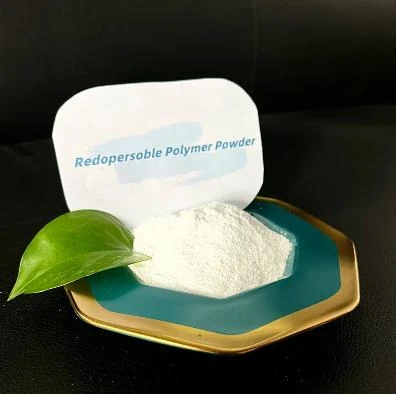
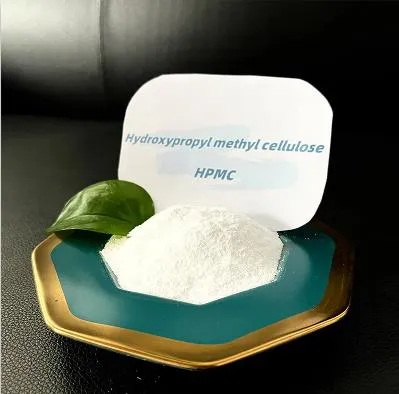
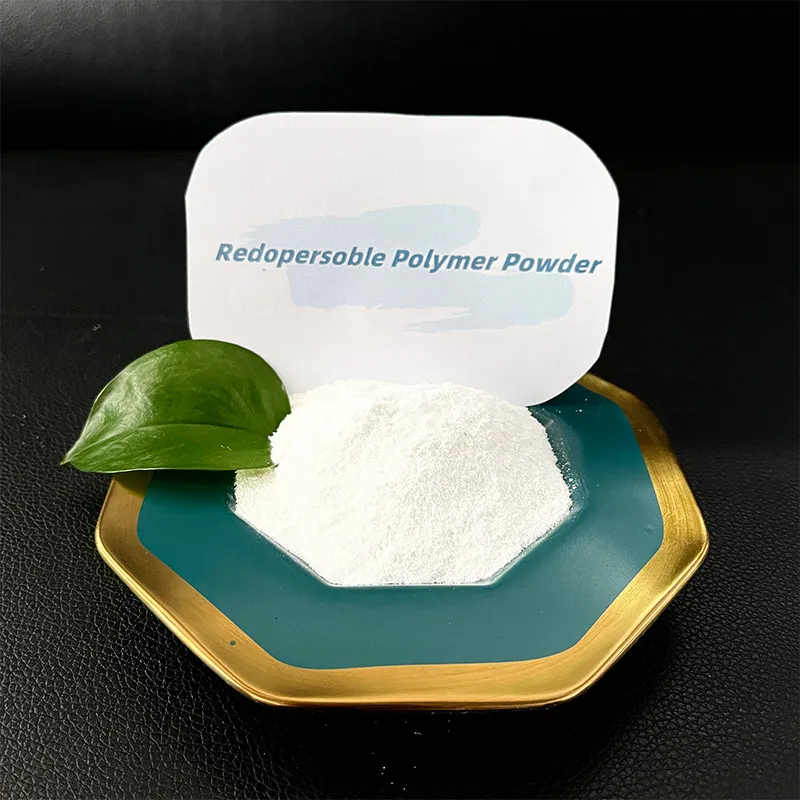
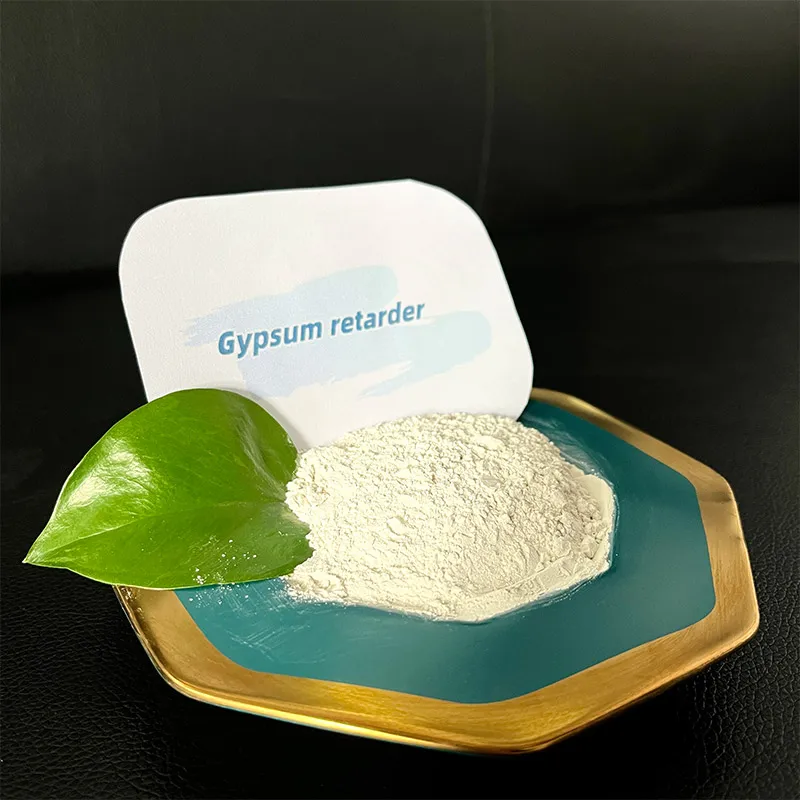



The detergent industry is experiencing a subtle yet significant revolution, and at the forefront of this transformation is Hydroxypropyl Methylcellulose, commonly known as HPMC. As a seasoned expert in the field of SEO, I've closely observed how incorporating HPMC can not only enhance the quality of detergents but also position a brand as a leader in innovation and environmental friendliness. The addition of HPMC in detergents brings a unique set of benefits that appeal to both manufacturers and consumers. For manufacturers, it offers an innovative solution that improves the viscosity and stability of detergents. HPMC serves as an excellent thickening agent, providing a consistent texture that consumers have come to expect from premium detergent brands . This consistency is crucial in maintaining the effectiveness of the detergent, ensuring that every drop delivers maximum cleaning power. Moreover, HPMC is derived from cellulose, making it a naturally occurring substance that aligns with the growing consumer demand for eco-friendly products. As an expert in sustainability, I recognize the importance of adopting green chemistry in manufacturing processes. HPMC in detergents reduces the reliance on synthetic chemicals, offering an environmentally benign alternative without compromising on quality. This not only enhances a brand's reputation for environmental responsibility but can also open doors to new markets eager for sustainable household products. From an expertise perspective, the role of HPMC extends beyond just physical attributes. It also improves the shelf life of detergents by stabilizing the formulation, preventing ingredients from separating over time. This results in less waste and more satisfied consumers, as the product maintains its integrity from purchase to last use. The stabilizing property of HPMC ensures that active ingredients remain effective throughout the product's life, a critical aspect that sets high-quality detergents apart from their less stable counterparts. hpmc for detergent In terms of authoritativeness, extensive research supports the efficacy of HPMC in detergent formulations. Numerous studies have demonstrated its superiority as a thickening and stabilizing agent, often outperforming traditional counterparts. This research-backed validity enhances credibility and supports claims made by brands utilizing HPMC, fostering consumer trust. For products seeking regulatory approval or certifications, the proven track record of HPMC in detergents stands as a testament to its safety and effectiveness. Trustworthiness is the cornerstone of any brand's relationship with its customers. By leveraging HPMC, manufacturers can transparently showcase their commitment to quality and sustainability. HPMC is hypoallergenic and safe for human contact, making it particularly appealing for families with skin sensitivities. The endorsement of dermatological experts and eco-certification bodies can further reinforce the trust consumers place in detergents containing HPMC. Ultimately, for brands focusing on SEO, it's crucial to highlight these multifaceted benefits of HPMC in detergent-related content. Emphasizing its role in enhancing viscosity, environmental sustainability, product stability, and consumer health can significantly improve online visibility and engagement. Crafting content around real-world applications and consumer reviews can provide genuine insights and drive home the advantages of HPMC in modern detergents, securing a pivotal role in a brand's digital narrative. Incorporating HPMC into detergent formulations presents a dual opportunity advancing product quality while meeting the rising demand for eco-conscious and effective cleaning solutions. As the industry continues to evolve, HPMC remains at the forefront, not just as an additive, but as a catalyst for a cleaner, greener future.
- 40000tons

Production
- 20+years

Experience
- 5000+㎡

Acreage

-
Understanding Methyl Cellulose and Its Pricing Dynamics Methyl cellulose, a water-soluble polymer derived from cellulose, has garnered increasing attention in various industries due to its versatile properties. As a key ingredient in food, pharmaceuticals, cosmetics, and construction, methyl cellulose plays a significant role in enhancing the quality and functionality of many products. However, the pricing aspects of methyl cellulose often raise questions among manufacturers and consumers alike. This article delves into the factors influencing the price of methyl cellulose, its applications, and the market trends that shape its economics. What is Methyl Cellulose? Methyl cellulose is produced through the methylation of cellulose, which is a natural polymer obtained from plant cell walls, particularly from wood and cotton. This modification process endows methyl cellulose with unique properties such as high viscosity, gelling ability, and water retention. Because of these characteristics, it acts as a thickener, emulsifier, and stabilizer, making it a popular choice in various applications. Applications of Methyl Cellulose 1. Food Industry Methyl cellulose is commonly used in the food industry as a thickening agent and a fat replacer. It helps improve the texture and stability of food products like sauces, dressings, and baked goods. Additionally, its ability to form gels at elevated temperatures is exploited in vegetarian and vegan food substitutes. 2. Pharmaceuticals In the pharmaceutical sector, methyl cellulose serves as an effective binder, coating, and disintegrant in tablet formulations. Its water-retaining properties are also valuable in the production of ocular solutions and laxatives. 3. Cosmetics Methyl cellulose is utilized in various cosmetic products for its thickening and stabilizing properties. It can be found in shampoos, lotions, and creams, contributing to the desired texture and overall feel of these products. 4. Construction The construction industry employs methyl cellulose as an additive in tile adhesives, joint compounds, and plaster. Its water retention and improved workability aid in creating durable and effective building materials. Factors Influencing the Price of Methyl Cellulose harga metilselulosa The pricing of methyl cellulose is influenced by several key factors, including 1. Raw Material Costs The primary raw materials for cellulose-based products, including cotton and wood pulp, can experience price fluctuations based on supply and demand dynamics. In addition, any changes to regulations affecting sustainable sourcing can also impact raw material costs. 2. Production Processes The manufacturing processes involved in producing methyl cellulose can be complex and energy-intensive. Advances in production technology can potentially reduce costs, but any disruptions—such as maintenance issues or the introduction of new regulations—can affect pricing. 3. Market Demand The growth of industries utilizing methyl cellulose directly impacts its demand. For instance, the rising popularity of plant-based food products has significantly increased the use of methyl cellulose as a vegan binder in food processing, contributing to fluctuating prices. 4. Geopolitical Factors International trade agreements, tariffs, and political stability in regions producing cellulose can affect the global supply chain, impacting both availability and pricing of methyl cellulose. For example, disruptions in trade can lead to supply shortages, subsequently driving up prices. 5. Technological Innovations As research advances, new grades and formulations of methyl cellulose are developed, often commanding different price points. Innovations that enhance performance or functionality can justify higher costs, while more efficient production methods can lower them. Market Trends and Future Outlook The methyl cellulose market is poised for growth, driven by expanding applications across various sectors. The trend toward clean label products in the food industry, coupled with an increasing preference for natural and plant-based ingredients, is likely to sustain demand for methyl cellulose. Additionally, advancements in production technology and heightened environmental awareness may foster more sustainable practices within the industry, influencing pricing trends. In conclusion, methyl cellulose plays an invaluable role across numerous industries. Understanding the factors that contribute to its pricing can help stakeholders make informed decisions. As demand for this versatile polymer continues to grow, staying attuned to market trends and shifts will be essential for navigating the complexities of methyl cellulose pricing.
-

Starch Ether for Dry Mortar An Innovative Component in Construction Chemistry In the realm of construction, particularly in the field of dry mortars, the quest for improved performance, workability, and sustainability is a constant endeavor. Among the various additives utilized in the formulation of dry mortars, starch ether has emerged as a key component, revolutionizing the way we approach construction materials. This article will delve into the significance of starch ether, its properties, benefits, and applications in the building industry. Understanding Starch Ether Starch ether is a modified form of starch that has been chemically altered to enhance its performance characteristics. It is derived from natural starch sources, such as corn, potatoes, or tapioca, and then treated to introduce ether groups. This modification significantly increases its solubility in water and improves its thermal stability, making it an excellent additive for dry mixes. The Functionality of Starch Ether in Dry Mortars When incorporated into dry mortars, starch ether serves multiple functions that contribute to the overall performance of the mixture. The primary roles of starch ether include 1. Fluidity Improvement Starch ether enhances the workability of mortar mixtures by improving their fluidity. This is particularly beneficial for various applications where a consistent and smooth application is crucial, such as in tile adhesives, plaster, and rendering mortars. 2. Water Retention One of the most significant advantages of starch ether is its ability to retain water within the mortar mix. This property is vital for maintaining optimal hydration levels during the curing process, which subsequently enhances the strength and durability of the setting mortar. 3. Adhesion The use of starch ether increases the adhesive properties of mortars, ensuring that they bond securely to various substrates. This is essential for applications that require a strong bond, such as ceramic tiles or other decorative materials. . 5. Cohesion Cohesion between particles in the mixture is enhanced with the addition of starch ether. This contributes to the overall strength of the mortar once cured, making it less prone to cracking or failure. крахмальный эфир для сухого строительного раствора Environmental Benefits In recent years, there has been a growing emphasis on sustainability in the construction industry. Starch ether, being derived from renewable natural sources, aligns well with these goals. Its use can contribute to reducing the carbon footprint of construction materials, as it replaces some synthetic additives that may be less environmentally friendly. Moreover, the improvements in efficiency and performance can lead to less waste and better resource utilization during the construction process. Applications in Construction Starch ether is utilized across a variety of applications in the construction industry, particularly in - Tile Adhesives The enhanced adhesion and workability offered by starch ether make it ideal for tile adhesive formulations, providing a strong and reliable bond for various types of tiles, including porcelain and ceramic. - Plaster and Render In plaster and rendering applications, starch ether helps achieve a smooth finish while also retaining moisture for a longer period, promoting better curing and increasing the final strength of the product. - Self-Leveling Compounds The flow properties of self-leveling compounds are enhanced with the addition of starch ether, ensuring an even application that fills gaps and provides a stable surface for flooring. - Repair Mortars Starch ether is also beneficial in repair mortars, where it aids in bonding new material to old surfaces, ensuring effective repairs that last. Conclusion As the construction industry continues to evolve, embracing new technologies and sustainable practices, starch ether stands out as a significant innovation in the formulation of dry mortars. Its multifunctional properties not only enhance the performance of construction materials but also align with the increasing demand for environmentally friendly solutions. The integration of starch ether in dry mortars thus represents a promising advancement, paving the way for improved construction practices and higher-quality finishes.
advantages
-

200000 Viscosities
Excellent product
We can produce pure products up to 200,000 viscosities
-

40000 tons
High yield
We don’t stop production all year round, and the annual output can reach 40,000 tons
-

24 hours
Quality service
We provide 24-hours online reception service, welcome to consult at any time
———— Inquiry Form
Schedule A services

-
 hydroxypropyl_methylcellulose_hpmc_powder
Oct . 25, 2025
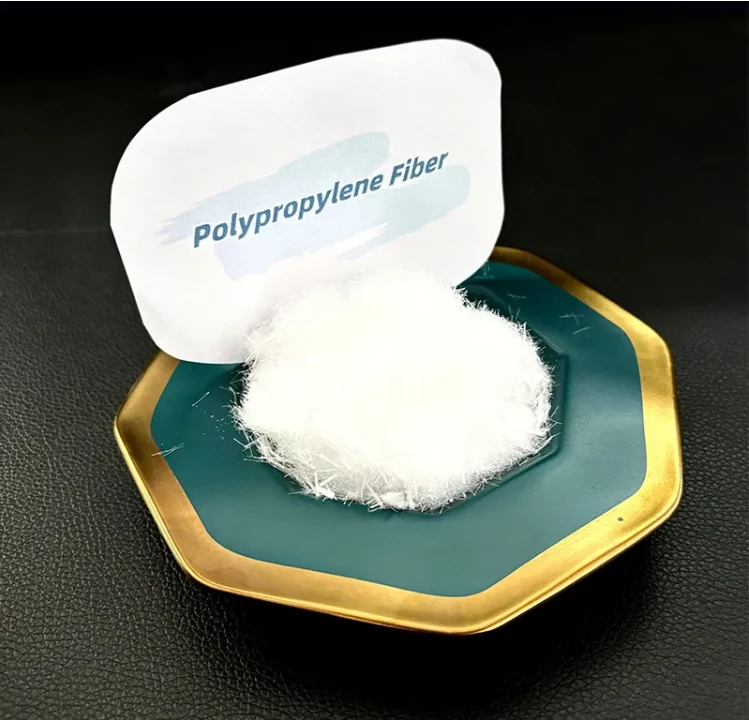
The Cost of Polypropylene Fiber An Overview Polypropylene fiber, derived from the polymerization of -
 glass_fibers_for_concrete
Oct . 25, 2025
The Insights into Rubber Powder Prices Market Trends and Influencing Factors Rubber powder is a fine -
 lignin_and_cellulose_in_wood
Oct . 25, 2025
Le HPMC 606, connu sous le nom de hydroxypropylmethylcellulose, est un polymère essentiel dans nombr


